
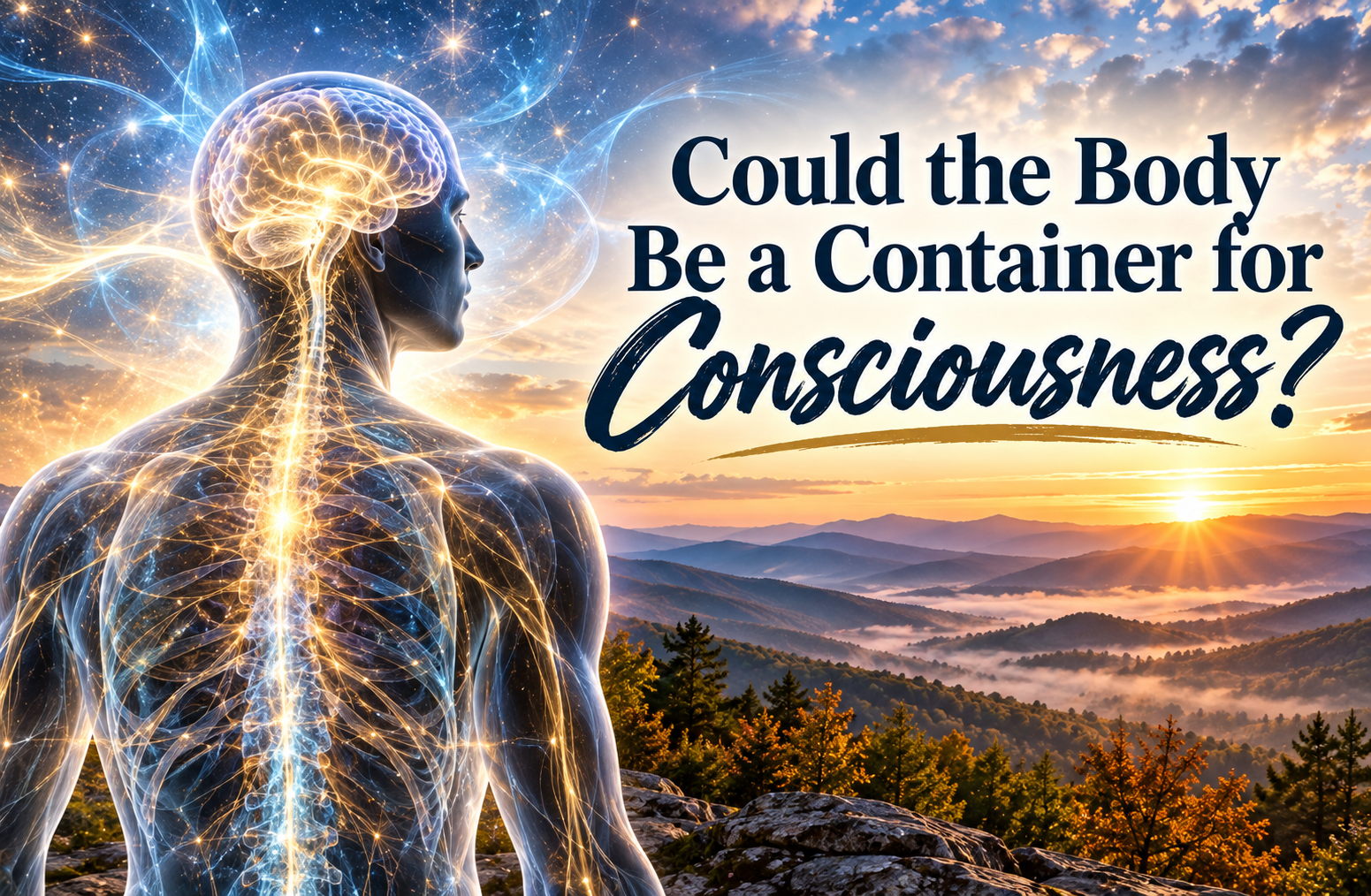
Could the Body Be a Container for Consciousness?
What if the brain doesn’t create consciousness, but instead receives, filters or limits it? Exploring the possibility that the human body may be a temporary container—or interface—for consciousness, and what that could mean for life, memory, animals and death.

Do Animals Have the Same Kind of Consciousness We Do?
Do animals experience consciousness the way humans do? Dogs think, dream, remember, form relationships and develop distinct personalities—but they can't tell us what they're experiencing. What if some of the limits we see aren't limitations of consciousness at all, but limitations of the biological container?
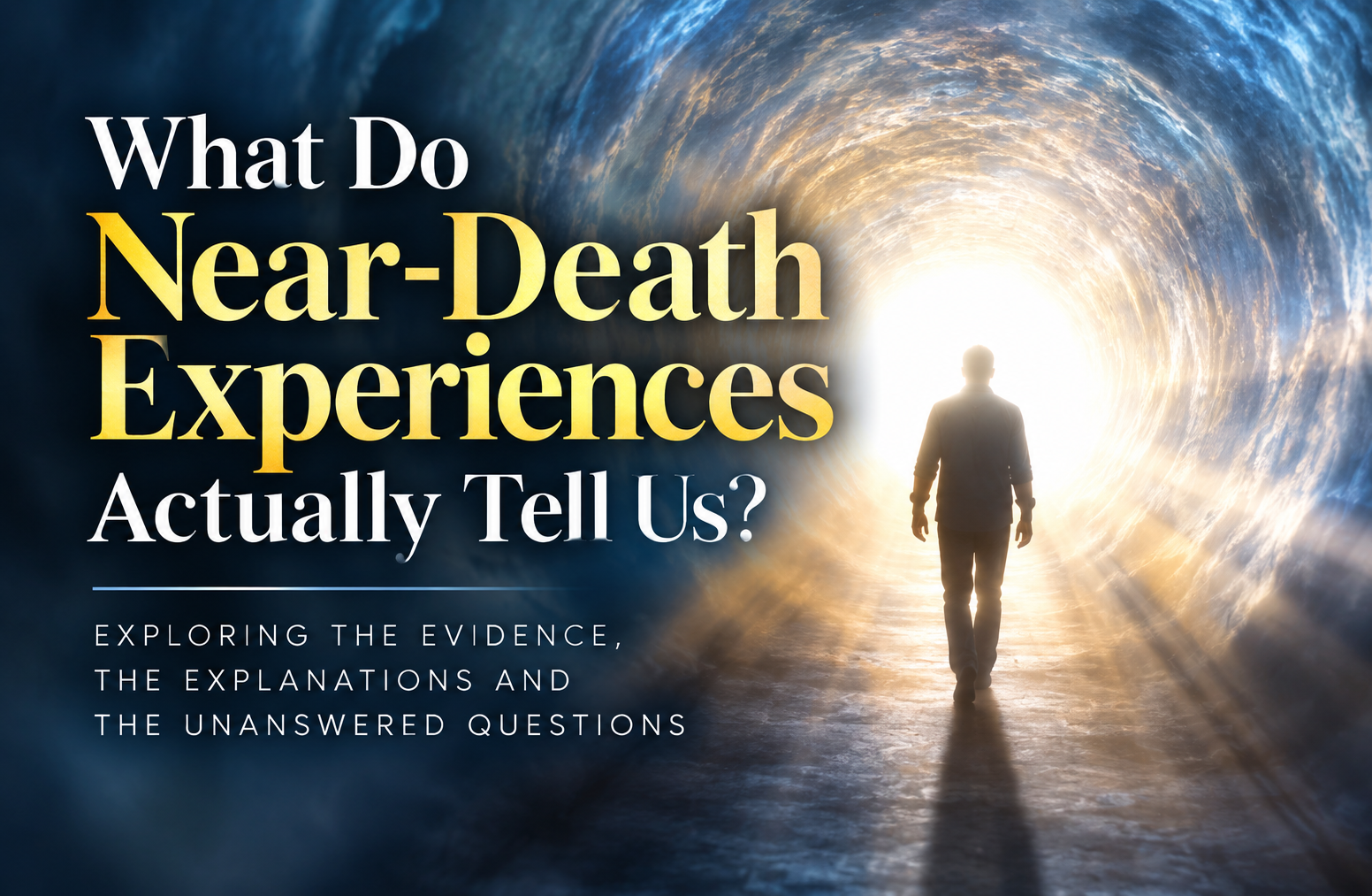
What Do Near-Death Experiences Actually Tell Us?
Near-death experiences have been reported and studied for decades, but what do they actually tell us about consciousness and death? Beyond the tunnels and bright lights are intriguing patterns, unanswered questions, and experiences that continue to challenge our understanding of the mind.
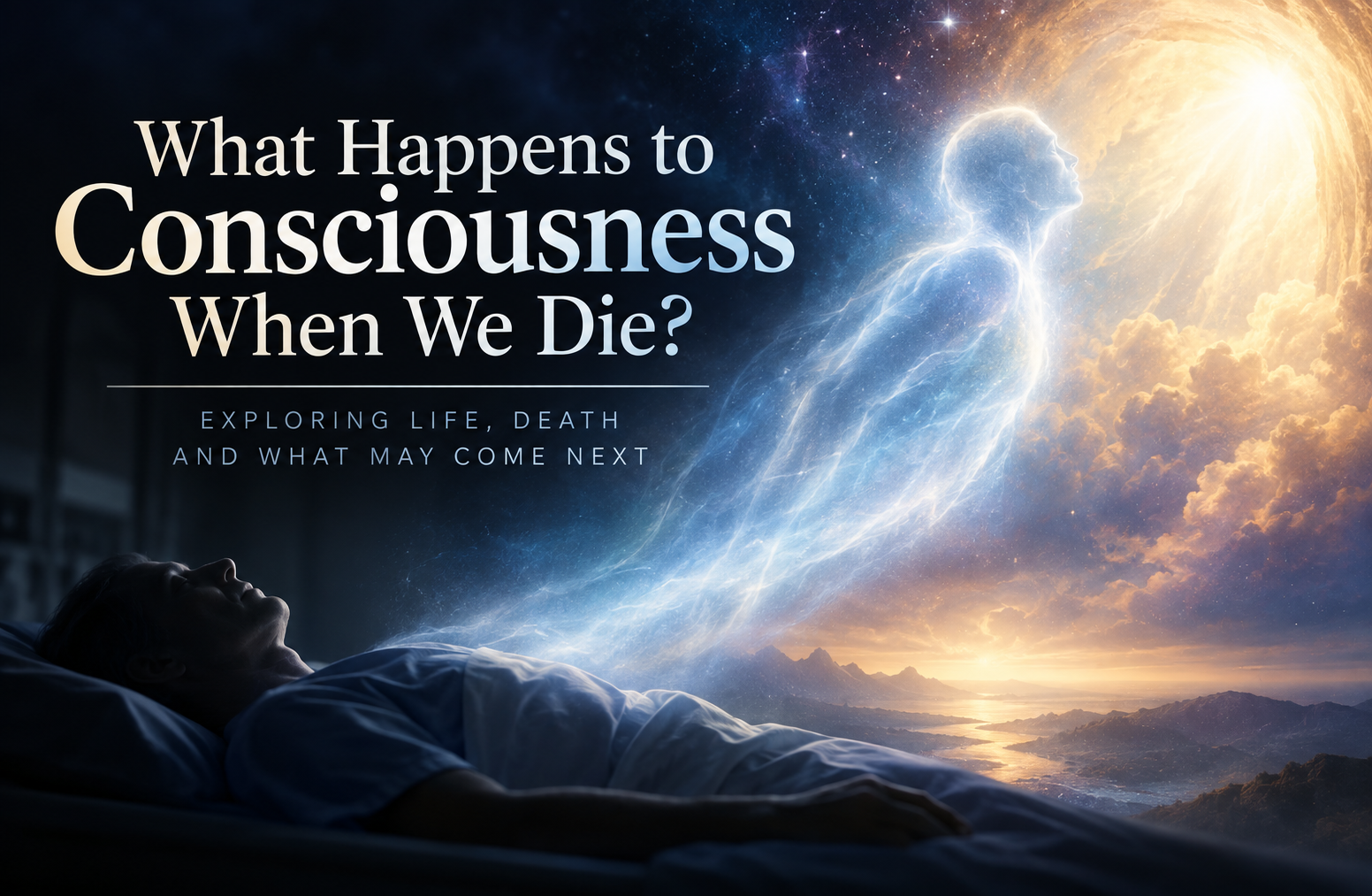
What Happens to Consciousness When We Die?
What happens to consciousness when the body dies? From near-death experiences and terminal lucidity to reincarnation research, science is beginning to explore a question humans have asked for thousands of years: can consciousness exist without a functioning brain?

What If Consciousness Doesn't Come From the Brain?
We know the brain and consciousness are deeply connected—but does that necessarily mean the brain creates consciousness? What happens if we consider the possibility that the brain might instead act as an interface, filter or receiver?