
Why Skyline Drive Was Built Where It Was
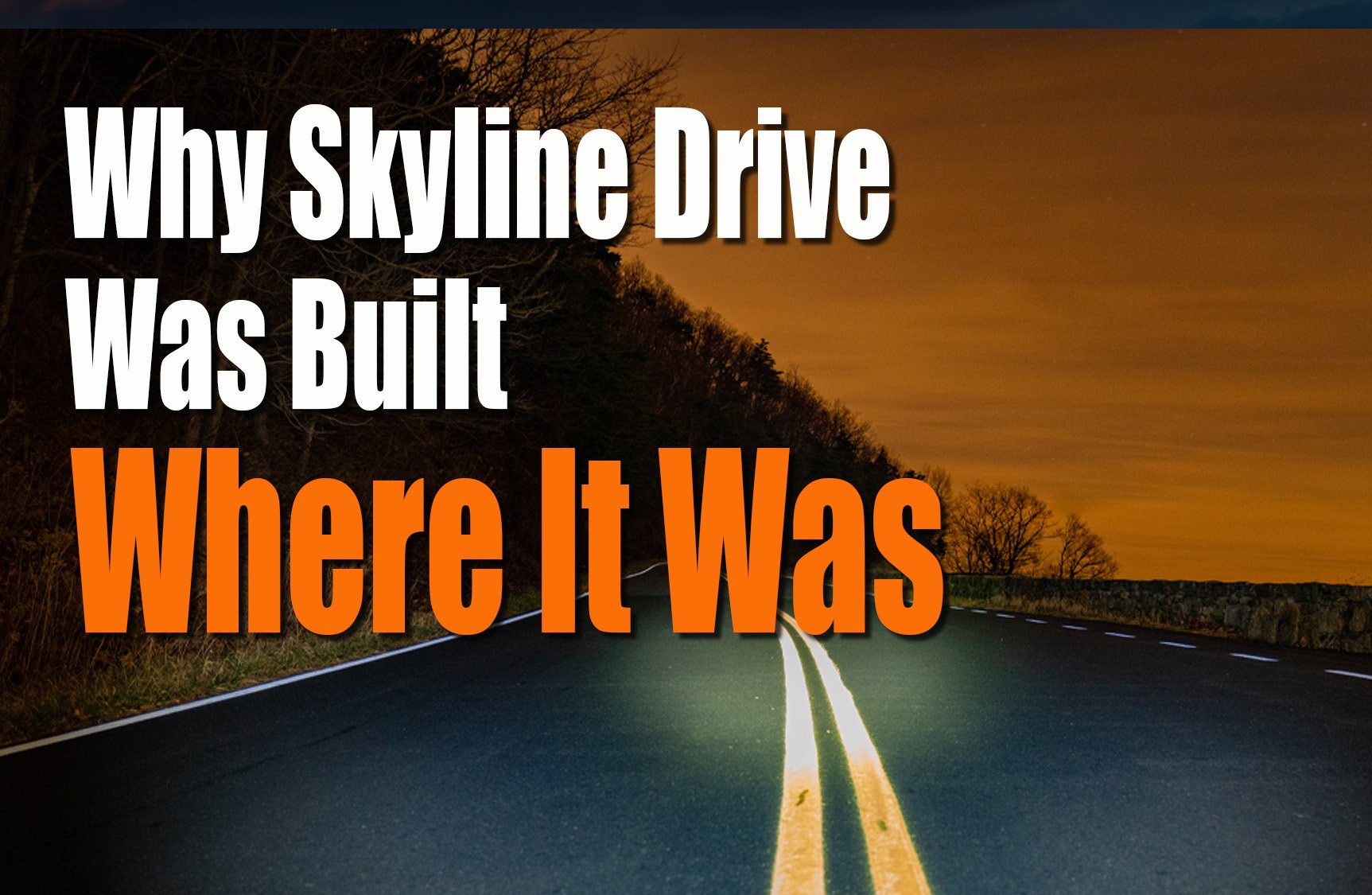
Millions of people drive Skyline Drive every year, enjoying breathtaking mountain vistas, peaceful overlooks, and one of America's most scenic roads. But few ever stop to ask a simple question:
Why was Skyline Drive built exactly where it is?
The answer is about much more than beautiful scenery. Skyline Drive represents one of the greatest examples of destination development in American history—a project that combined conservation, engineering, and tourism to create an experience that still attracts millions of visitors nearly a century later.
A Road Designed Around the Landscape
When plans for Shenandoah National Park began in the late 1920s, planners had an ambitious vision. They wanted to create a national park within a day's drive of millions of people living along the East Coast.
Unlike many roads that are designed to get people from one place to another as quickly as possible, Skyline Drive was designed with an entirely different purpose.
The journey itself would become the destination.
Instead of taking visitors to a single overlook or attraction, the road would allow them to experience the Blue Ridge Mountains mile after mile.
Why the Ridgeline?
If you look at a topographic map of the Blue Ridge Mountains, you'll notice something interesting.
Skyline Drive follows the ridgeline whenever possible.
There were several reasons for this.
First, the ridgeline naturally provides the best panoramic views. Travelers can enjoy sweeping vistas of the Shenandoah Valley to the west and Virginia's Piedmont to the east, often from the same location.
Second, following the crest allowed engineers to create a road with more gradual grades than repeatedly climbing and descending steep mountain slopes.
Finally, the ridgeline offered countless opportunities to create overlooks where visitors could safely stop, enjoy the scenery, and appreciate the landscape.
More Than Just a Road
Skyline Drive wasn't simply an engineering project.
It was carefully designed as a visitor experience.
Every curve slows traffic naturally. Every overlook was intentionally placed. Every mile was designed to encourage travelers to slow down and connect with the mountains around them.
Rather than rushing visitors through the park, Skyline Drive invites them to pause.
That philosophy still defines the experience today.
Engineering With Nature
Building a road through the Blue Ridge Mountains during the 1930s presented enormous challenges.
Engineers worked with the landscape instead of trying to overpower it. Rather than creating long straight sections, they allowed the road to follow the natural contours of the mountains.
This approach reduced unnecessary excavation, minimized environmental impacts, and helped preserve the character of the landscape.
Nearly a century later, Skyline Drive still feels like it belongs in the mountains instead of simply cutting through them.
The Beginning of Destination Development
One of the reasons Skyline Drive continues to fascinate me is because it demonstrates a principle that communities still struggle to understand today.
People don't travel simply to use infrastructure.
They travel for experiences.
Skyline Drive wasn't built because someone wanted another road.
It was built because someone understood that extraordinary experiences create extraordinary destinations.
That idea remains just as true today.
Whether it's a scenic trail, a revitalized downtown, a waterfront park, or a walkable main street, successful destinations are built around memorable experiences—not simply buildings or roads.
The Economic Impact Continues
Skyline Drive doesn't just benefit Shenandoah National Park.
Every year, visitors leave the park to eat in local restaurants, shop in small businesses, stay in hotels, visit wineries, explore museums, and discover communities throughout the Shenandoah Valley.
Many people who stop in Front Royal, Luray, Harrisonburg, Waynesboro, and countless smaller communities began their trip with a drive through the park.
That's the power of destination development.
A single investment made nearly 100 years ago continues to generate economic activity across an entire region.
Lessons for Today's Communities
There is an important lesson hidden within Skyline Drive's success.
Communities often focus on individual projects.
A new building.
A new sign.
A new attraction.
But Skyline Drive reminds us that successful destinations aren't built around isolated projects.
They're built around creating experiences people remember and want to share.
When communities invest in quality experiences, visitors stay longer, spend more, and return again.
That's exactly what Skyline Drive has been doing for generations.
Final Thoughts
The next time you find yourself driving Skyline Drive, take a moment to appreciate more than the view.
Notice how the road follows the ridgeline.
Notice how each curve reveals another incredible vista.
Notice how naturally it fits within the surrounding landscape.
None of it happened by accident.
Nearly a century ago, planners understood something we still sometimes forget today:
The best destinations aren't created by chance—they're carefully designed to make the journey just as memorable as the destination itself.

More from Scott Turnmeyer
I write about photography, business, mindset, bowling, and the bigger questions that don’t always have easy answers. You can explore more articles, photography, and projects here:
Blog Home
About Scott Turnmeyer
Fine Art Photography
Photography Workshops & Experiences
Digital Consulting