
What Is a Visitor Economy? (And Why It Matters More Than You Think)
When most people hear the word tourism, they picture hotels, visitor centers, and attractions.
Those things are certainly part of it.
But they're only a small piece of something much bigger.
The term you'll hear more often among economists, planners, and destination professionals is visitor economy—and understanding the difference changes the way we think about growing a community.
It's More Than Tourism
A visitor economy includes every dollar spent by someone who doesn't normally live in your community.
That could be:
A family visiting Shenandoah National Park.
Someone attending a wedding.
A photographer spending the weekend.
A business traveler.
A cyclist riding Skyline Drive.
A hiker stopping for lunch.
A family visiting relatives for the holidays.
If they travel to your community and spend money while they're there, they're contributing to your visitor economy.
It's Not Just Hotels
One of the biggest misconceptions is that only hotels benefit from visitors.
In reality, almost every local business can benefit.
A visitor might:
Grab breakfast at a local café.
Buy gas before heading into the park.
Stop at a local gift shop.
Purchase artwork from a gallery.
Eat dinner downtown.
Visit a brewery or winery.
Book a photography workshop.
Hire a fishing guide.
Buy groceries before heading to a vacation rental.
Every one of those purchases supports local businesses.
Many also generate local tax revenue that helps fund public services.
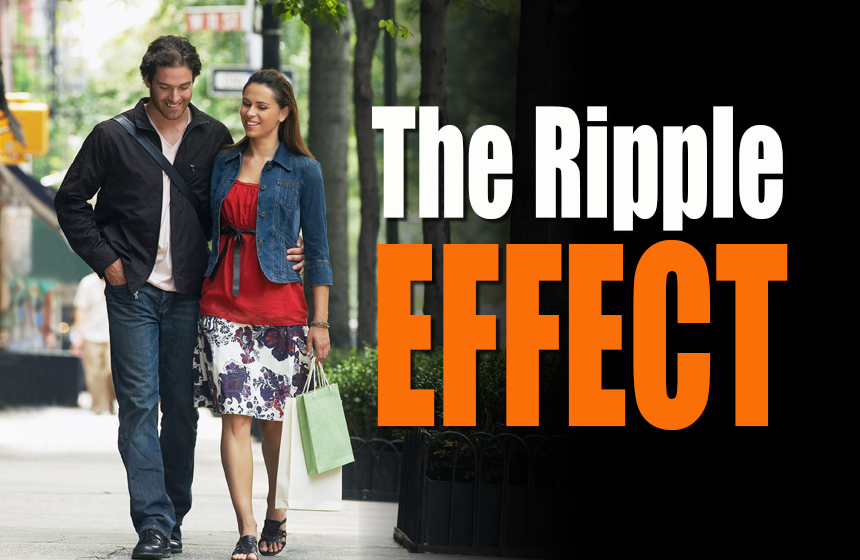
The Ripple Effect
Economists often describe this as the multiplier effect.
Imagine a couple visits Front Royal for a weekend.
They spend:
$180 on lodging
$90 at restaurants
$60 shopping
$40 on fuel
$30 on coffee and snacks
That's $400 spent in a single weekend.
But the impact doesn't stop there.
The restaurant buys food from suppliers.
Employees spend their wages locally.
The retailer orders more inventory.
The town collects lodging, meals and sales tax.
Local businesses hire more staff as demand grows.
One visitor's spending begins circulating through the local economy.
Multiply that by thousands—or even hundreds of thousands—of visitors each year, and the economic impact becomes significant.
Why Experiences Matter
Communities often focus on attracting visitors.
That's important.
But attracting visitors is only the first step.
The bigger opportunity is creating experiences that encourage people to:
Stay longer.
Spend more.
Return in the future.
Recommend the destination to friends and family.
Think about your own vacations.
How often have you visited somewhere because someone you trust said,
"You have to go there."
Word-of-mouth remains one of the most powerful forms of marketing any destination can receive.
Building a Visitor Economy
A thriving visitor economy isn't created by one organization.
It isn't built by a tourism office alone.
It isn't built by local government alone.
And it certainly isn't built by one business.
It takes an entire community.
Restaurants.
Retailers.
Artists.
Hotels.
Breweries.
Outdoor outfitters.
Photographers.
Event organizers.
Volunteers.
Local government.
Residents.
Every interaction helps shape the story visitors take home.
That's why destination development is just as important as destination marketing.
Marketing encourages someone to visit.
The experience determines whether they ever come back.
Why This Matters
Whether you own a business or simply call a community home, a healthy visitor economy benefits everyone.
More visitors can mean:
Stronger local businesses.
More jobs.
Higher tax revenues.
More vibrant downtowns.
Greater support for parks, trails, and community events.
Increased investment in public spaces.
A stronger local identity.
When managed thoughtfully, a visitor economy isn't just about attracting more people.
It's about creating a community that residents are proud of and visitors remember.
Looking Ahead
In future articles, I'll explore how communities can intentionally grow their visitor economies through destination development, strategic marketing, placemaking, events, and data-driven decision making.
Because one of the biggest lessons I've learned is this:
Communities don't become great destinations by accident.
They become great destinations by intentionally creating experiences that people want to return to—and can't wait to share with others.
More from Scott Turnmeyer
I write about photography, business, mindset, bowling, and the bigger questions that don’t always have easy answers. You can explore more articles, photography, and projects here:
Blog Home
About Scott Turnmeyer
Fine Art Photography
Photography Workshops & Experiences
Digital Consulting